Stone Benchtop Edge Profiles: The Complete Guide to Choosing the Right Finish
When most people picture their new kitchen, they think about the stone slab first: the colour, the veining, the finish. The edge profile is usually an afterthought. But that thin strip running around the perimeter of your benchtop does more heavy lifting than almost any other design decision in the room.
It’s the part of the stone you touch every single day. It’s what catches the light along the island. It’s what determines whether your benchtop reads as sharp and contemporary or soft and traditional. And practically speaking, it affects your budget, your maintenance routine, and even how safe your kitchen is for young children.
This guide walks through every major stone benchtop edge profile available in Australia today: what each one looks like, where it works best, and how to choose between them, so you can walk into your stonemason’s showroom knowing exactly what to ask for. If you have already chosen your material, take a look at our full range of stone benchtops in Adelaide alongside this guide.
Why the Edge Profile Matters More Than You Think
Before comparing individual profiles, it helps to understand the four things an edge profile actually controls:
Design language. A pencil round edge feels minimal and modern. A full bullnose feels soft and traditional. A mitred waterfall feels bold and architectural. The same slab of stone can look like three completely different kitchens depending on how the edge is finished.
Safety. Square, sharp cornered edges (known as arris edges) are more likely to chip and more likely to cause injury on a knock. Rounded profiles like bullnose and pencil round are far more forgiving, a common reason families with young children lean toward softer edges.
Material compatibility. Not every edge profile works with every stone thickness. Standard 20mm engineered stone handles most basic profiles comfortably, but a slim 12mm porcelain surface is far more limited, and detailed profiles like a full Dupont or double ogee typically need a thicker slab to look right and hold up structurally.
Cost. Simple profiles like a straight polished edge or pencil round are the most affordable, since they require minimal extra fabrication. Detailed or built up profiles, mitred waterfalls, layered edges, ogee curves, take significantly more time on the CNC and by hand, and the price reflects that.
The Main Stone Benchtop Edge Profiles, Explained
Jump to a profile
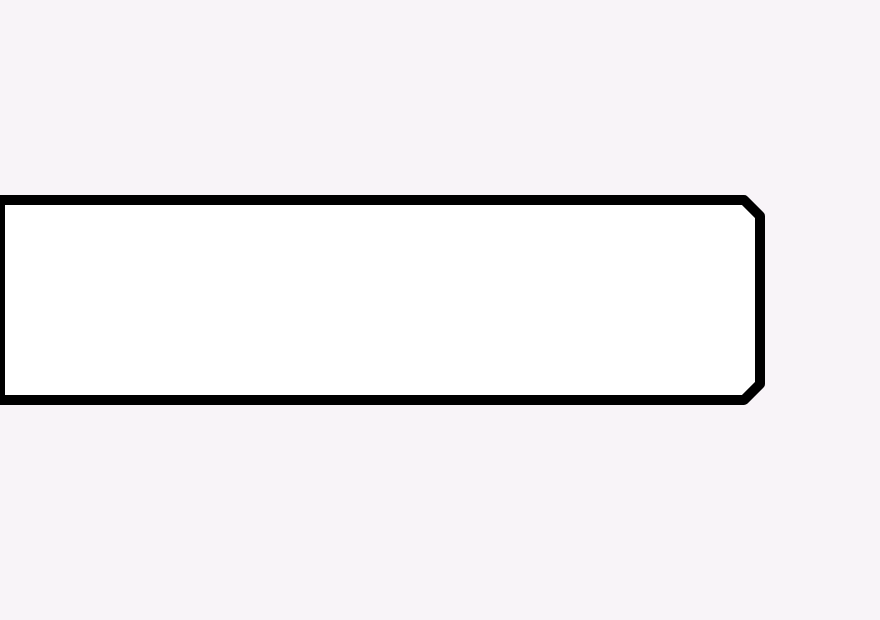
Straight / Eased (Arris) Edge
The simplest and most affordable option. The stone is cut square, with only the sharp corner (the arris) lightly eased so it isn’t dangerous to the touch. It’s the cleanest, most minimalist choice and the easiest of all profiles to keep spotless, since there’s no curve or groove for grime to collect in.
Best for: Contemporary and minimalist kitchens, budget conscious renovations, low maintenance homes.
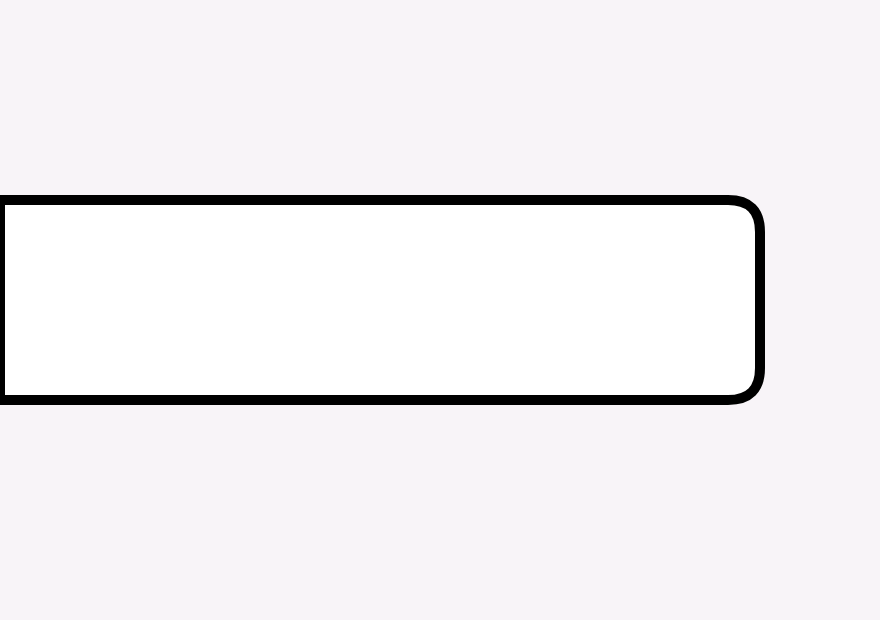
Pencil Round Edge
Australia’s most popular residential edge profile, and for good reason. A small, even radius softens the top corner into a subtle curve, about the width of a pencil, hence the name. It’s comfortable against the hip and forearm, resists chipping better than a sharp arris, and suits almost any kitchen style from Hamptons to modern minimalist.
Best for: Almost everything. If you’re unsure which edge to choose, this is the safe, timeless default.
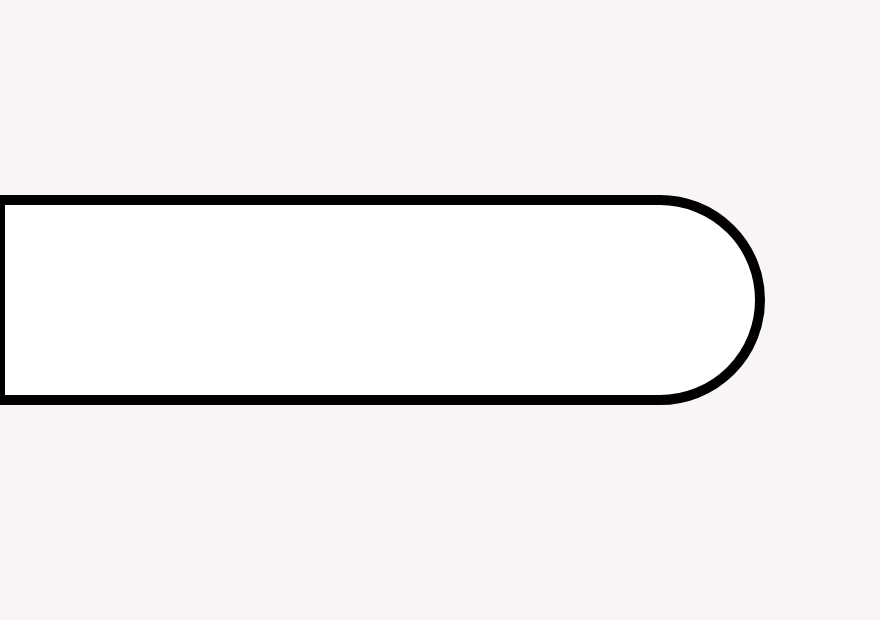
Bullnose Edge (Full and Half)
A bullnose takes the rounding further, curving the entire edge into a smooth, continuous dome. A full bullnose rounds both the top and bottom of the edge into a “D” shape; a half bullnose rounds only the top. It’s the softest looking profile available and reads as warm, traditional, and tactile
Best for: Family kitchens, French Provincial and Hamptons style homes, bathroom vanities, anywhere small hands will be running along the edge.
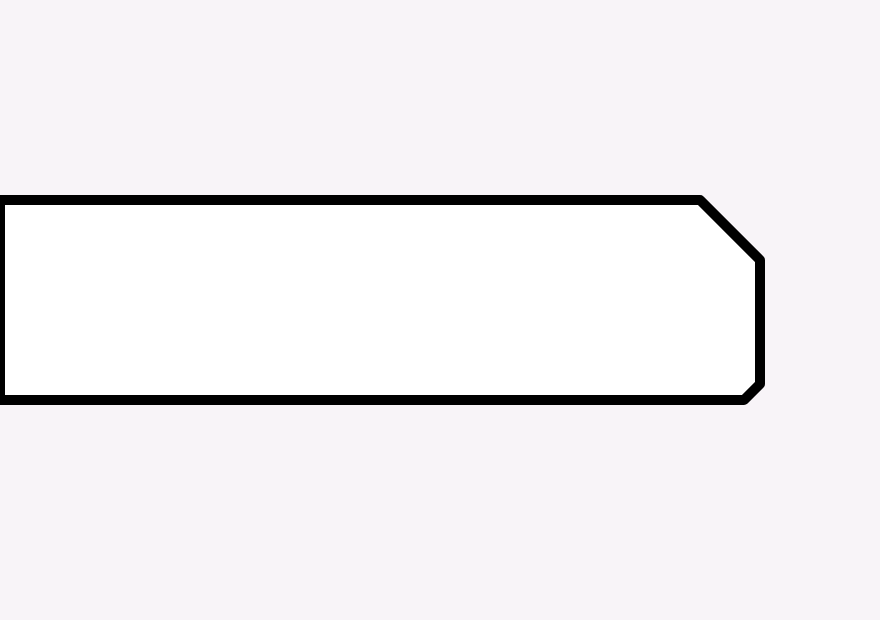
Bevelled (Chamfered) Edge
A crisp, angled cut replaces the rounded corner with a flat diagonal face. It keeps a sharp, architectural line while still softening the top corner enough to be safe. Available in several angles and widths, a 45 degree half bevel is the most common.
Best for: Industrial, Scandinavian, and other geometric design styles that want to avoid curves altogether.
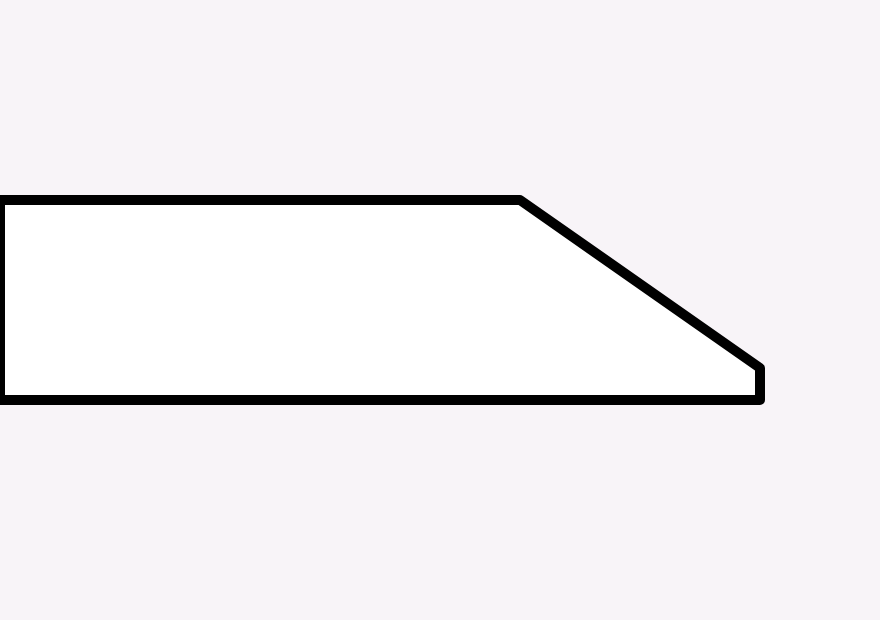
Sharknose Edge
A more dramatic take on the bevel. The top of the stone tapers down at a sharp angle to a fine point, so the benchtop appears thin and knife edged from the front even though it is cut from a full thickness slab. Named for its resemblance to a shark’s nose, it is one of the more architectural, statement making profiles available.
Best for: Modern architectural kitchens and feature islands where a bold, thin looking edge is the goal.
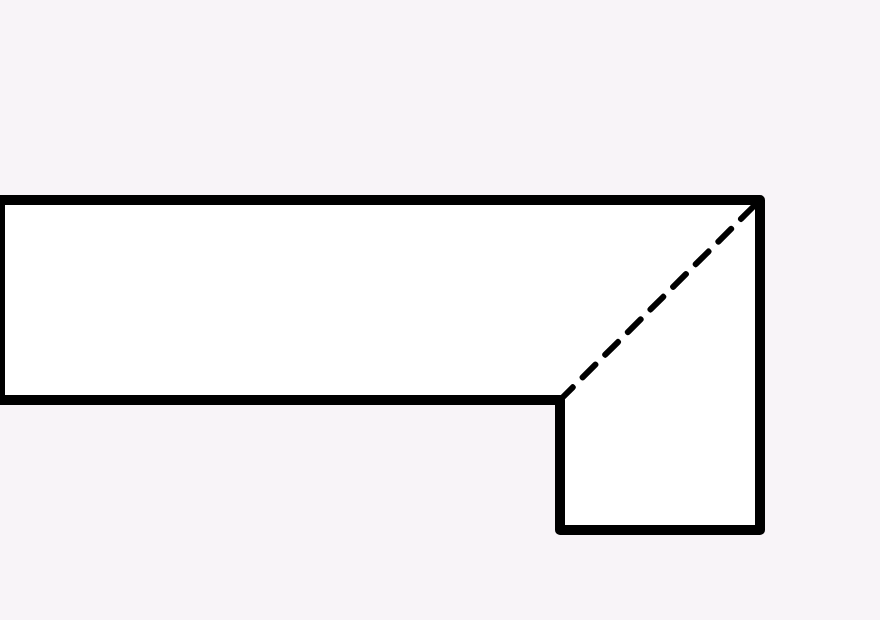
Mitred Edge
Rather than a decorative curve, a mitred edge is about thickness. Two pieces of the same stone are cut at a 45 degree angle and joined at the corner, creating the illusion of a much thicker slab (commonly 40mm or 80mm) from a standard 20mm benchtop. Done well, the seam is almost invisible, especially in lighter, less veined stone.
Best for: Anyone who wants the bold, substantial look of a thick benchtop without paying for a full thickness slab throughout.
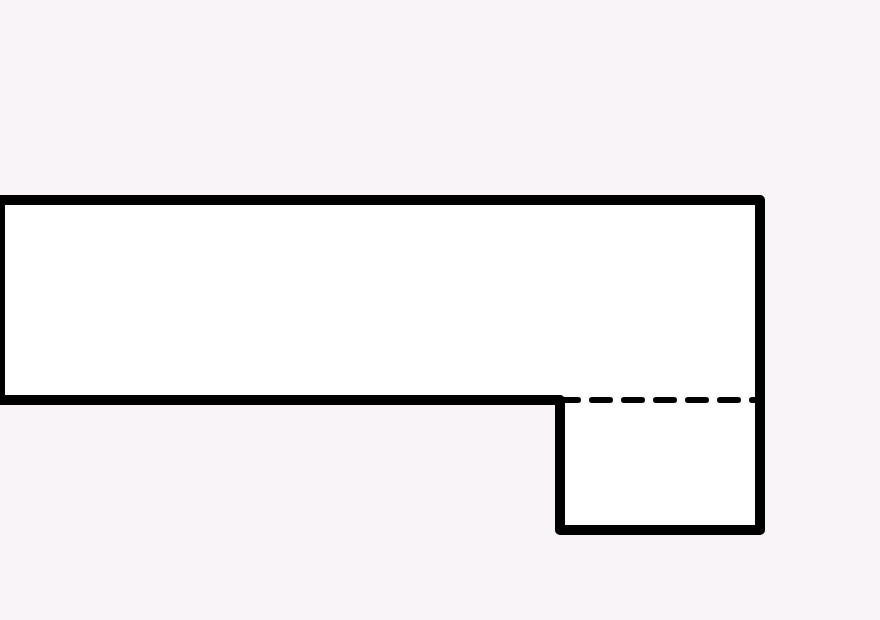
Laminated (Layered) Edge
A structural alternative to mitring. Instead of joining at an angle, two pieces of stone are stacked flat on top of each other and joined through the middle of the edge face. It’s the strongest and safest join available, less prone to chipping than a mitre, though the seam line is usually more visible, particularly in busier stone patterns.
Best for: Large overhangs or islands that need extra structural strength, and darker or more uniform stones where the join line won’t stand out.
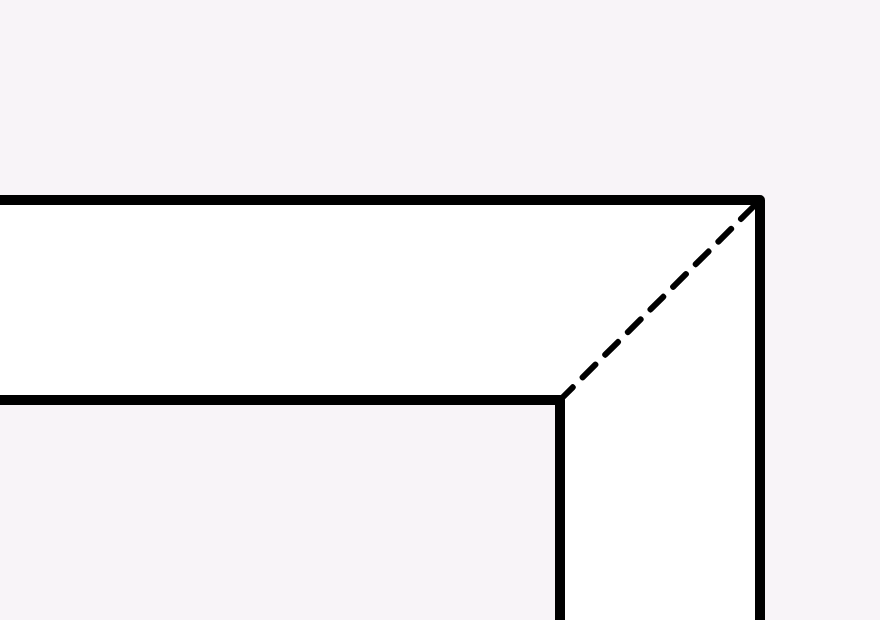
Waterfall Edge
The stone doesn’t stop at the benchtop, it continues in one unbroken plane straight down the side of the island or cabinetry to the floor, usually joined with a mitred seam. It’s dramatic, seamless, and one of the most photographed features in modern kitchen design.
Best for: Statement islands and contemporary kitchens where budget allows for the extra material (waterfall edges are material intensive and priced accordingly).
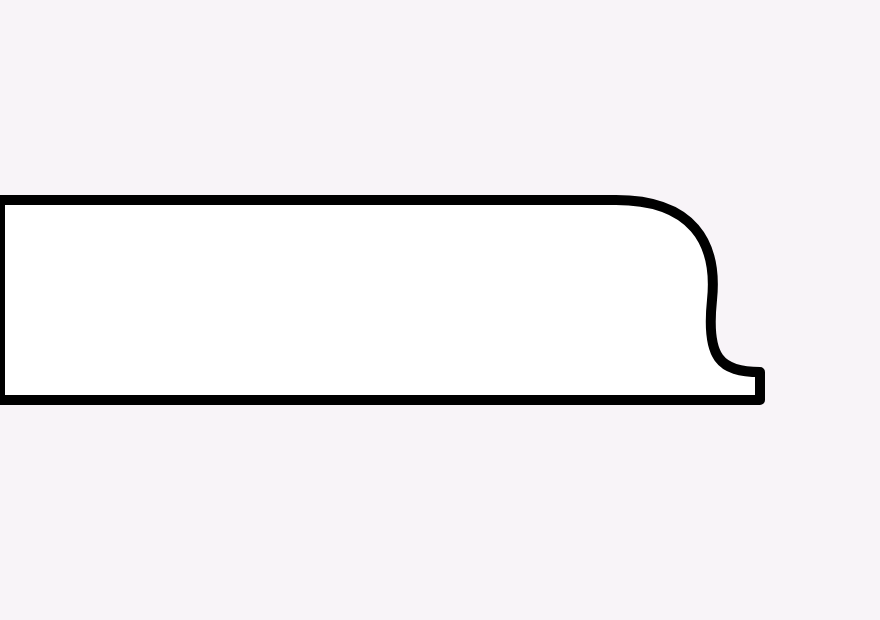
Ogee Edge
A classic S curve profile, cut into the top of the stone so it catches the light in two directions. It’s one of the more ornate options and pairs naturally with traditional cabinetry, raised panel doors, and heritage style homes.
Best for: Classic, formal, or heritage kitchens looking for a decorative, old world detail.
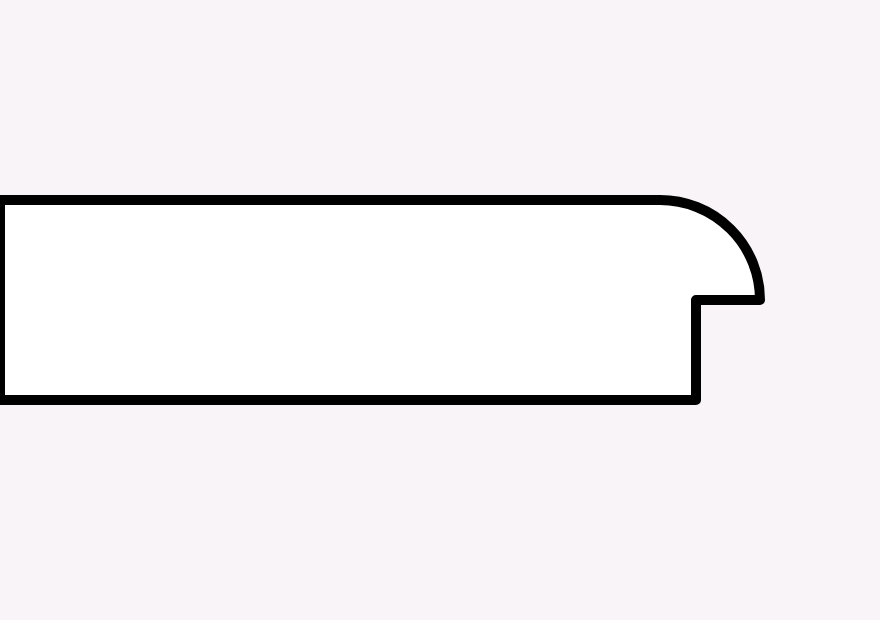
Dupont Edge
A refined, layered profile combining a bullnose curve with a stepped square underneath. It reads as classic and considered, and is often specified in marble for a French inspired look.
Best for: Traditional kitchens, particularly in marble, where a single bullnose feels too plain but a full ogee feels too busy.
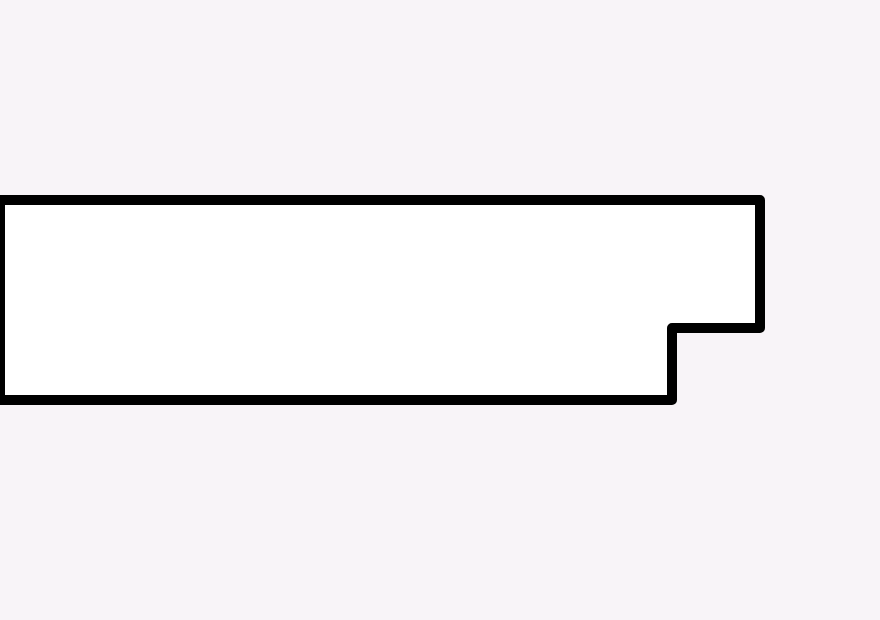
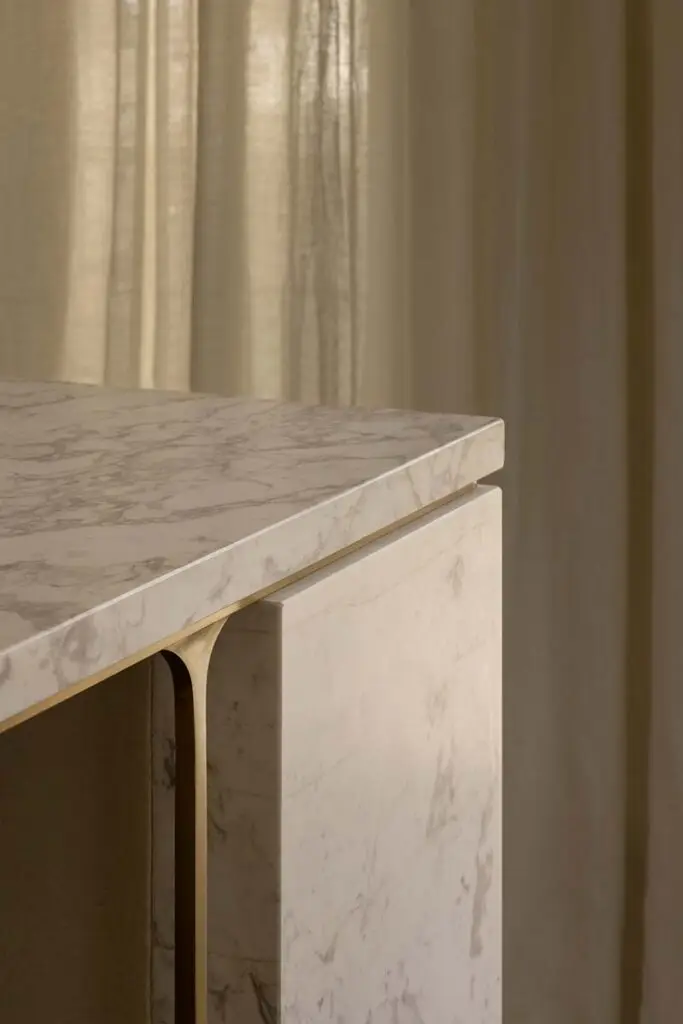
Shadowline Edge
A more contemporary trick: the underside of the benchtop is recessed slightly so the stone appears to float above the cabinetry, with a shadow line running underneath. It’s a subtle detail that makes a solid stone benchtop feel lighter and more architectural.
Best for: Minimalist and high end contemporary kitchens where every detail is intentional.
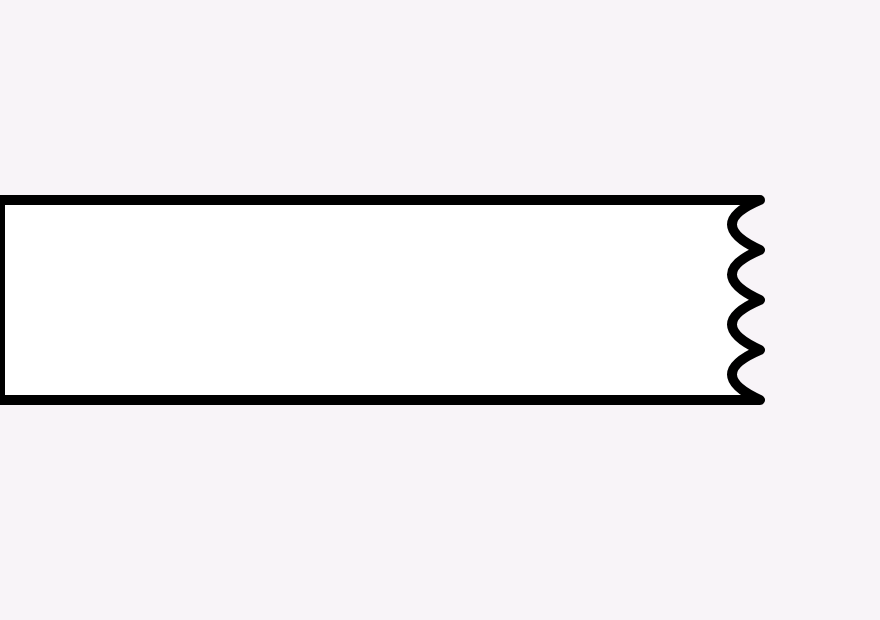
Fluted / Ribbed Edge
Slim, evenly spaced vertical grooves are cut into the face of the stone, adding texture and rhythm rather than a change in silhouette. Increasingly popular on kitchen islands and vanity panels as a sculptural, tactile detail.
Best for: Feature islands, bar fronts, and vanities where the edge itself becomes a design statement.
How to Choose the Right Edge Profile
There’s no single “correct” edge profile, the right choice depends on four practical questions:
- What’s your kitchen style? Match the edge to the era and mood of the space. Curved, detailed profiles (bullnose, ogee, Dupont) suit traditional and Hamptons style kitchens. Clean, geometric profiles (arris, pencil round, bevel) suit contemporary and minimalist spaces.
- Who’s using the kitchen? Households with young children generally do better with rounded profiles, bullnose or pencil round, since they’re safer around sharp corners and more forgiving if bumped.
- What’s your stone thickness? Confirm your chosen profile is achievable in your slab thickness before you fall in love with it. Detailed or built up profiles typically need 20mm stone or thicker.
- What’s your budget? As a rule of thumb, cost increases with complexity: straight and pencil round edges are the most affordable; mitred, laminated, waterfall, and ogee edges cost more in fabrication time and, for waterfalls, material.
Edge Profiles and Stone Type
Natural stone (marble, granite) and engineered stone (quartz, sintered surfaces) both support most of the profiles above, but there are a few things worth knowing:
- Natural stone is generally recommended with a slightly larger radius (around 5mm) on rounded profiles to reduce the risk of chipping along natural fault lines.
- Engineered stone is more consistent and can typically handle a tighter radius (around 2 to 3mm), which is why sharp, minimal arris edges are especially popular with quartz.
- Sintered stone / porcelain is thinner and more brittle than natural or engineered stone, so it’s usually limited to simpler profiles unless it’s laminated for extra thickness.
Whichever material you choose, your stonemason should confirm the edge profile is suitable for that specific stone before fabrication begins.
Frequently Asked Questions
What is the most popular benchtop edge profile in Australia?
The pencil round edge is the most commonly specified profile for residential kitchens. It offers a clean, contemporary look, resists chipping better than a sharp square edge, and suits almost any design style, which is why it’s often the default recommendation from stonemasons. For a bolder, more architectural look, sharknose is a popular alternative in modern builds.
Which edge profile is easiest to keep clean?
Smooth, continuous profiles with no groove or step, like a straight arris edge or a pencil round, are the easiest to wipe down, since there’s no crevice for grime or bacteria to collect in. Highly detailed profiles like ogee or Dupont require a little more care to clean thoroughly.
Is a mitred edge or a laminated edge stronger?
A laminated (layered) join is generally considered the stronger and safer option structurally, since the two pieces are joined through the flat surface rather than at an angle. A mitred join is less visually noticeable but can be marginally more prone to chipping under heavy impact, though this isn’t a common issue with normal use.
Do detailed edge profiles cost more than standard edges?
Yes. Simple profiles like straight or pencil round edges require the least fabrication time and are the most affordable. Detailed profiles, mitred, laminated, waterfall, ogee, and Dupont, take significantly longer to cut and finish, and waterfall edges also use considerably more stone, so all of these carry a higher price per linear metre.
Can I use any edge profile with any stone thickness?
No. Standard 20mm stone handles most basic and moderately detailed profiles. Thinner surfaces like 12mm porcelain are limited to simpler edges, while the most detailed profiles (full Dupont, double ogee, thick mitred waterfalls) generally need 20mm stone or a built up, laminated edge to achieve the right proportions and structural strength.
Choosing Your Edge Profile in Adelaide
Photos and diagrams only tell you so much, the best way to choose an edge profile is to see and feel the options in person, against your actual stone selection and lighting. Our showroom has physical edge samples across every profile in this guide, from a simple pencil round to a full mitred waterfall, so you can compare them side by side before committing. Browse our full range of stone benchtops to see which materials and finishes are available before your visit.
Ready to find the right edge for your benchtop? Visit our showroom or get in touch for expert advice.